The first meal I ate in Venice was a €22 plate of mediocre spaghetti at a restaurant with laminated menus in six languages, a waiter who called me "my friend," and a view of a bin lorry parked on a bridge. It was 2009. I didn't know better. In the seventeen years since, I've learned exactly where to eat in this city and — more importantly — where not to.
Venice has a reputation for bad, overpriced food. The reputation is half-earned. The tourist-facing restaurants near San Marco are genuinely dire: reheated lasagne, frozen seafood, €5 bread charges that appear on the bill without warning. But step one street away from the main drag and the food changes completely. Venice has a culinary tradition that's older than most countries, rooted in the lagoon, in preserved fish, in the Rialto market, in standing at a bar with a glass of something cold and a plate of something salty.
You just have to know where to look.
In This Article
What Cicchetti Actually Are (And Why They Matter)
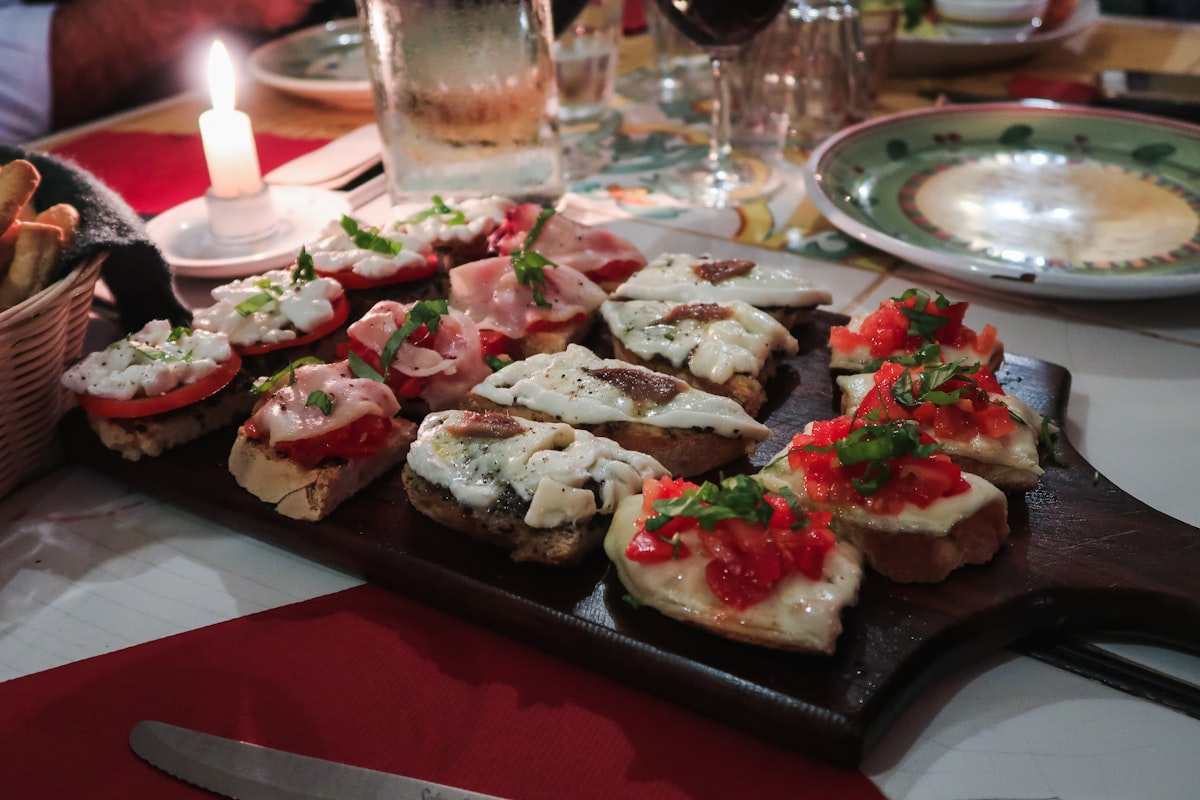
Cicchetti (pronounced chi-KET-ee) are Venetian bar snacks. Small bites served on the counter of a bacaro — Venice's version of a tapas bar. They range from simple (a slice of bread topped with baccalà mantecato) to elaborate (fried soft-shell crab on polenta, a tiny skewer of grilled prawn), and they cost between €1.50 and €3.50 each.
The tradition is old. Really old. Venetian workers have been eating this way for centuries — standing at a bar, ordering a few bites with a small glass of wine (an ombra, meaning "shadow," supposedly named because wine sellers once moved their stalls to follow the shade of the Campanile). You don't sit. You don't get a menu. You point at what looks good on the counter, you eat it, you order another glass, you move on to the next bar.
Three or four bars, two or three cicchetti at each, a glass of wine at every stop — that's dinner. Total cost: roughly €20–30 per person. Total enjoyment: considerably more than any sit-down restaurant with a prix fixe menu and a man in a bow tie.
The Bacari Worth Your Time
I've been to most of them. These are the ones I go back to.
All'Arco (San Polo, near Rialto). A tiny place — maybe eight people can stand at the bar simultaneously. Francesco and his father make the cicchetti fresh every morning using whatever they've bought at the Rialto market that day. The crostini change daily. I've had artichoke and anchovy, pumpkin and smoked ricotta, and a prawn and radicchio combination that I still think about. Open mornings only, closed Sundays. Go at 10:30am when the counter is fully loaded and the crowd hasn't peaked yet.
Cantina Do Spade (San Polo, Calle della Do Spade). This bar has existed since 1488. Casanova drank here, allegedly, though Casanova allegedly drank everywhere. The cicchetti are traditional — meatballs, sarde in saor, fried artichoke hearts — and the wine list is short and well-chosen. It gets crowded by noon; arrive before 11:30 or after 2pm.
Al Merca (San Polo, Campo Cesare Battisti). Barely a bar — more of a counter with a window, near the Rialto market. You get your glass of wine, grab a couple of panini or cicchetti, and stand in the campo eating in the open air. It's the simplest, most unpretentious eating experience in Venice. A glass of prosecco and two panini will cost about €6. The mortadella sandwich is perfect.
Cantina Do Mori (San Polo, off Ruga Rialto). The oldest bacaro in Venice — operating since 1462. The interior is dark, copper pots hang from the ceiling, and the counter is always full. Their signature is francobolli — tiny sandwiches, literally "postage stamps." The atmosphere alone is worth the visit. The wine, poured from large bottles behind the bar, is cheap and perfectly decent.
| Bacaro | Location | Known For | Best Time |
|---|---|---|---|
| All'Arco | San Polo | Daily-changing market crostini | 10:30am |
| Cantina Do Spade | San Polo | Traditional meatballs, sarde in saor | Before 11:30am |
| Al Merca | San Polo | Outdoor panini, cheapest prosecco | Late morning |
| Cantina Do Mori | San Polo | Francobolli, historic interior | 11am or 6pm |
The Venetian Dishes You Should Actually Order
Venice is a lagoon city. The cooking reflects this — it's seafood-heavy, preservation-minded (a legacy of naval expeditions), and distinctly different from what you'd eat in Rome or Florence. Three dishes define Venetian cuisine, and if you leave without trying all of them, you've made a dietary error.
Sarde in saor. Sardines, fried and then marinated in sweet-and-sour onions with pine nuts and raisins. It sounds unusual. It is unusual. It's also one of the most satisfying things you can eat standing up at a bar in any city, anywhere. The dish was invented as a way to preserve fish on long voyages — the vinegar and onion act as natural preservatives. Now it's just delicious.
Baccalà mantecato. Dried salt cod, rehydrated and whipped with olive oil into a creamy paste, served on bread or polenta. Every bacaro has it. The good versions are smooth, slightly fishy, and addictive. The bad versions taste like wallpaper paste with a vaguely maritime memory. You'll know the difference immediately.
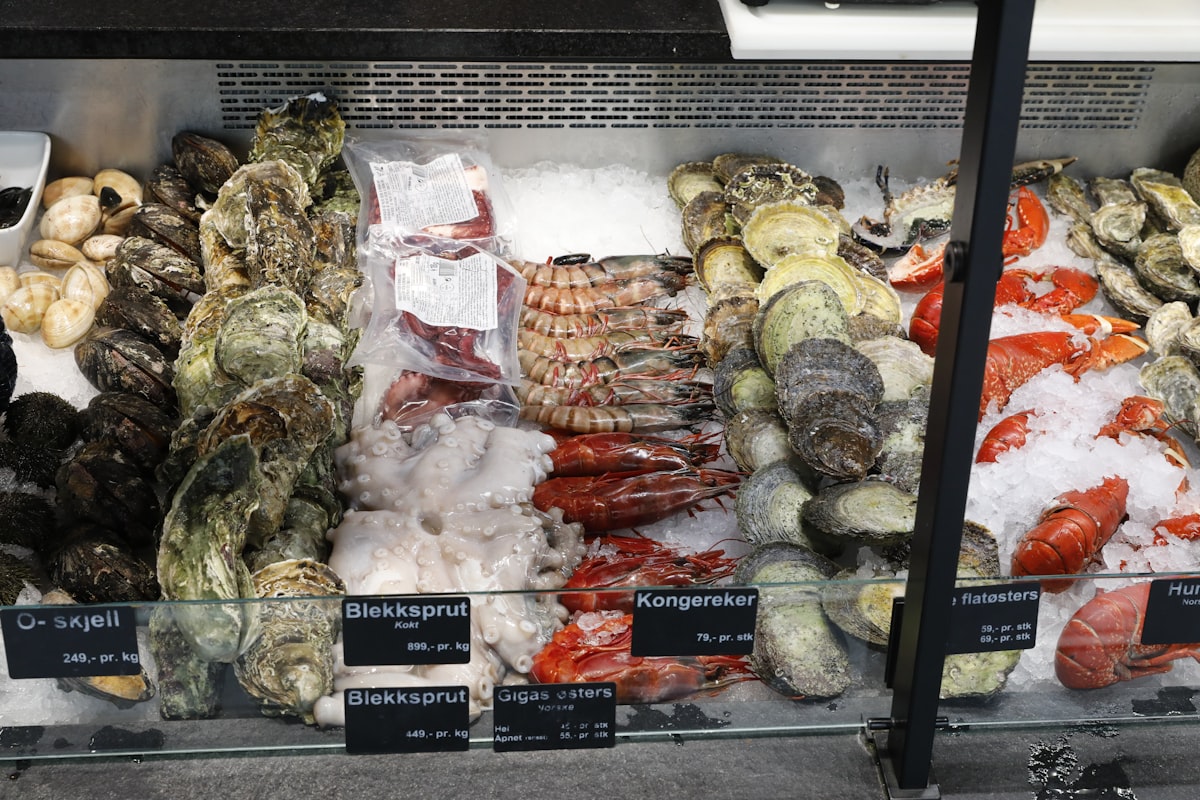
Risotto al nero di seppia. Risotto with cuttlefish ink. It's jet black. It stains your teeth. It looks alarming and tastes extraordinary — briny, rich, with a depth of flavour that white risotto can only dream about. Order it at a proper restaurant rather than a bar, and accept that you'll be brushing your teeth twice afterwards.
My rule for seafood in Venice: if the restaurant is more than two streets from a canal, the fish probably arrived by van rather than by boat. This isn't science. It's superstition. But it hasn't let me down yet.
Can You Eat Well Near San Marco?
Yes. But you have to work for it.
The piazza itself and the streets immediately surrounding it are a wasteland of tourist menus, €18 pasta, and bread baskets that cost €4 and contain three pieces of stale ciabatta. The restaurants with photos on the menu boards outside are, without exception, terrible. This is a universal truth and I will not debate it.
However. Walk five minutes north toward Campo Santa Maria Formosa, or five minutes west toward Campo Santo Stefano, and the picture changes. These are real neighbourhoods with real restaurants serving real food to a mix of tourists and residents. Prices are still higher than in Cannaregio or Castello, but the quality is there.
- Avoid any restaurant with a person standing outside trying to attract customers. This is the single most reliable warning sign in all of Venice.
- Avoid laminated menus with photographs.
- Avoid anywhere advertising "tourist menu" or "menu turistico."
- Look for handwritten specials boards in Italian.
- Look for restaurants where the majority of diners appear to be over fifty and speaking Italian.
Breakfast: Lower Your Expectations, Raise Your Enjoyment
Venetian breakfast is Italian breakfast, which means it's minimal. A cornetto (croissant, often filled with cream or jam) and a caffè (espresso), consumed standing at a bar, finished in four minutes. That's it.
Don't fight this.
The hotel breakfast buffet — the one with the individually wrapped cheese slices and the lukewarm scrambled eggs — exists for tourists who need more substance in the morning. It's fine. But if you want to eat like the city eats, find a bar near your hotel, stand at the counter, order a cornetto and a cappuccino (never after 11am — there are rules), and be done with it. Cost: about €3. Time: under five minutes. Satisfaction: surprisingly complete.
The best cornetti I've found are at pasticcerie rather than regular bars — places that bake their own rather than reheating frozen ones. If the pastry shatters slightly when you bite it and the inside is soft and warm, you've found the right place. If it bends, move on.
The Spritz — A Brief but Important Section
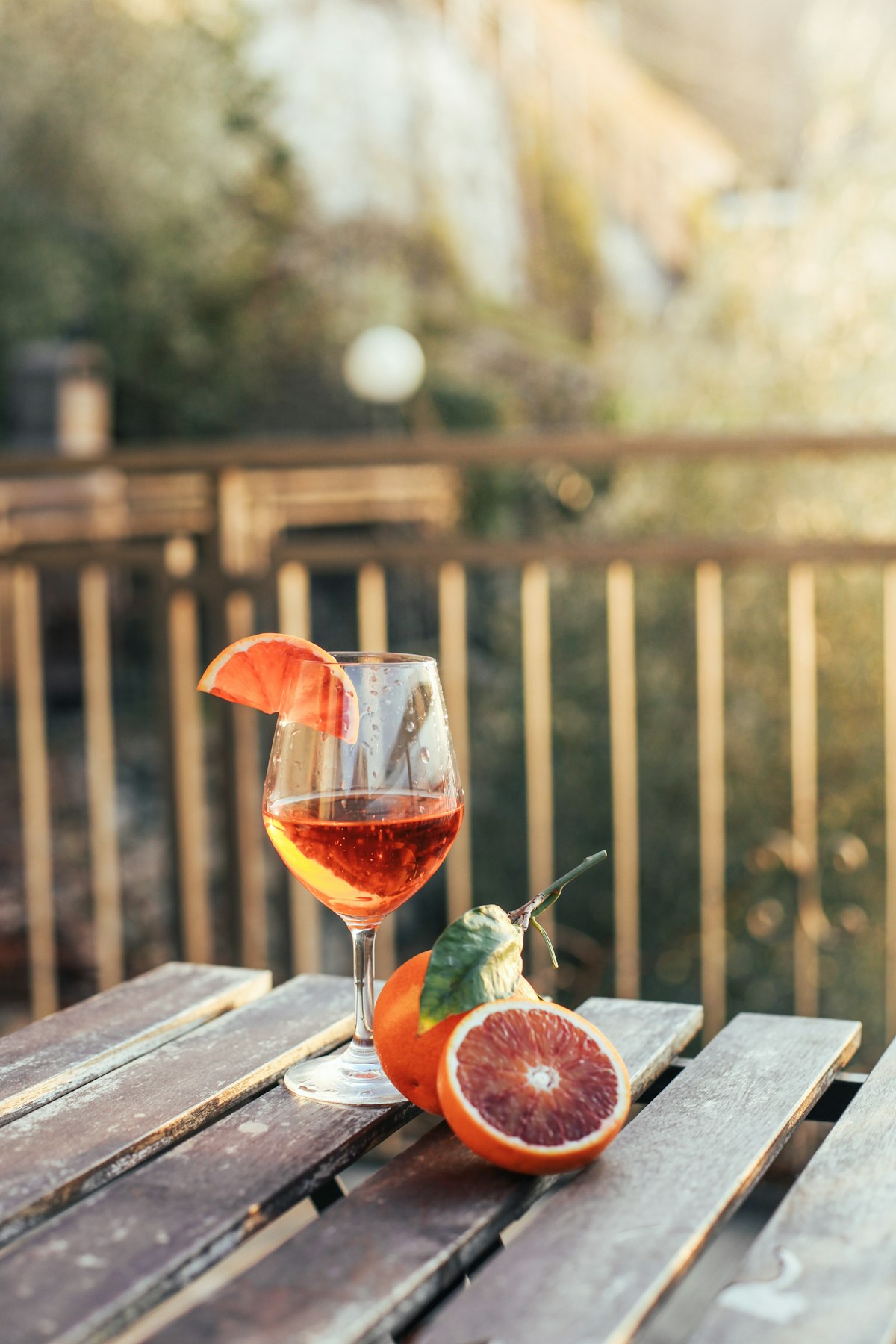
The spritz was invented in the Veneto. Not in London, not in New York, not by a marketing team at Aperol headquarters. It started as Austrian soldiers diluting Venetian wine with a splash (spritz) of water, and evolved into the drink you now see on every table in every bar every evening between 6 and 8pm.
The proper recipe: prosecco, a bitter liqueur (Aperol is the sweetest and most popular; Select is the Venetian local choice, more bitter, slightly herbaceous; Campari is the strongest), soda water, an olive or orange slice. It costs €3–4 at a neighbourhood bar and €7–10 in San Marco piazza. The drink is identical. You're paying for the chair.
Aperitivo culture isn't about getting drunk. It's a transition — the half hour between work and dinner, between the productive day and the social evening. You have one drink, maybe two, with a small plate of crisps or olives. You talk. You watch the light change on the water. Then you go eat.
I'd take this over happy hour at a London pub every single time.
Gelato — You Don't Need a Long List
Two places. That's my recommendation.
Nico (Dorsoduro, on the Zattere). Famous for the gianduiotto — a frozen block of chocolate hazelnut gelato dropped into a cup of whipped cream. It's not refined. It's not subtle. It's a chocolate brick in cream and it costs about €4 and it is one of the great simple pleasures of eating in Venice. Nico has been serving this since 1935 and they've seen no reason to change the recipe.
SuSo (San Marco, near Campo Santo Stefano). More modern, more flavours, excellent quality. The pistachio is genuine — green, intense, clearly made from actual nuts rather than paste. The crema veneziana flavour is their signature. Queue is long in summer; go in the evening when it shortens.
Avoid any gelato place where the product is piled high in colourful mounds with fruit arranged on top. Real gelato is stored in covered metal containers. If it looks like a pastel mountain range, it's full of stabilisers and artificial colouring and you should walk past it without slowing down.
How to Spot a Tourist Trap (A Definitive Guide)
After seventeen years of eating in Venice, I can identify a bad restaurant from across a campo. Here are the signs, in order of reliability:
- Someone outside soliciting customers. No good restaurant in any city needs to drag people in from the street. If they're asking you to sit down, the food will disappoint you.
- Photographs on the menu. The more photos, the worse the food. This correlation approaches mathematical certainty.
- Menus in more than three languages. Italian and English is normal. Italian, English, French, German, Japanese, and Russian on the same laminated sheet means the kitchen is optimised for volume, not quality.
- "Coperto" charge above €3. A bread/cover charge of €1.50–2.50 is standard in Venice. Anything above €3 is a warning. Above €5, leave.
- Proximity to San Marco piazza. I'm generalising, but the closer you are to the basilica, the worse the average restaurant becomes. There's a radius of about 200 metres where quality drops off sharply. The usual review sites can help you find exceptions, but the exceptions prove the rule.
Conversely, the signs of a good place: small, handwritten menu that changes frequently. Wine stored on open shelves rather than behind glass. Counter covered in cicchetti that look like they were made this morning (because they were). Bartender who ignores you for thirty seconds because he's finishing a conversation with a regular. That's the place. That's where you eat.
Venice is a city that has been feeding people for over a thousand years. The food is here. The tradition is here. The €22 spaghetti near the Doge's Palace is an aberration, not a representative sample. Find a bacaro, order an ombra, point at whatever looks good, and eat standing up with strangers. That's how Venice eats. That's how you should eat here too.