Venice is the kind of city where you walk into a parish church looking for shade and find a Bellini altarpiece staring back at you. It happened to me on my fourth or fifth trip — ducked into San Zaccaria to get out of a July downpour, turned around, and there was Giovanni Bellini's Sacred Conversation from 1505, glowing in the half-light like it had been waiting for me. I stood there for twenty minutes, dripping on the marble floor, entirely alone.
That's the thing about art in Venice. The famous museums are excellent, but some of the most extraordinary work is scattered across churches, scuole, and palazzi where it was originally commissioned. You could skip every ticketed venue and still see more Renaissance and Baroque painting than in most European capital cities combined.
That said, the ticketed venues are very good. Here's how I'd approach them.
In This Article
The Accademia — Five Centuries in One Building
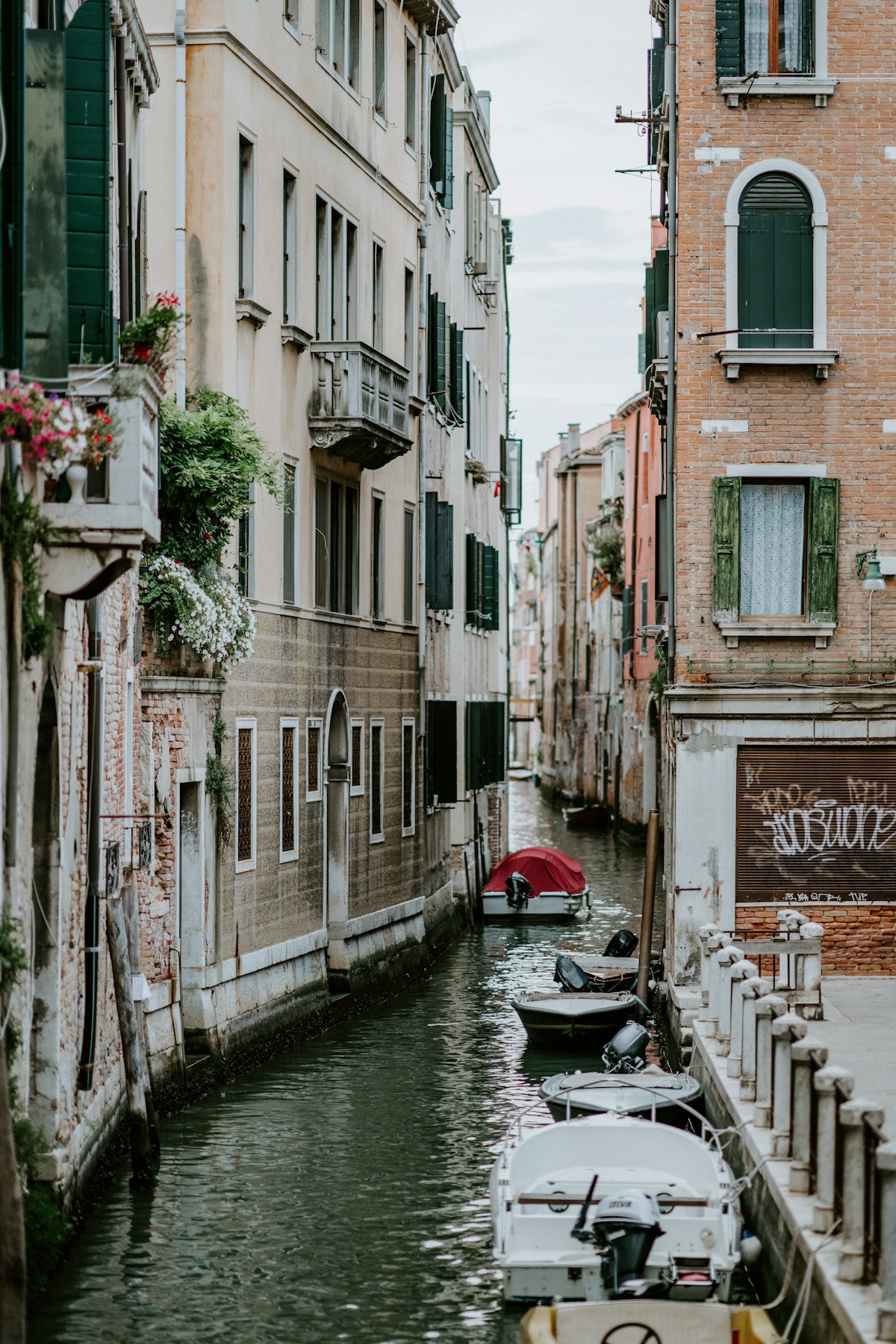
The Gallerie dell'Accademia is the definitive collection of Venetian painting. Bellini, Carpaccio, Giorgione, Titian, Tintoretto, Veronese, Tiepolo — they're all here, chronologically arranged across 24 rooms in a former convent and church complex. If you see one museum in Venice, make it this one.
The building itself — a converted Scuola della Carità — deserves attention. The vaulted ceilings, the proportions of the rooms, the way the natural light falls across the canvases. As someone who photographs architecture for a living, I find myself looking at the relationship between the paintings and their spaces as much as at the works themselves. These paintings were made for rooms like these, not for the white-walled galleries of modern museums.
What I'd prioritise:
- Giorgione's The Tempest (Room 5) — one of the most enigmatic paintings in Western art. Nobody is entirely sure what it depicts. A soldier, a woman nursing a child, a thunderstorm. The landscape is the real subject, and it's extraordinary.
- Veronese's Feast in the House of Levi (Room 10) — a massive canvas, originally titled The Last Supper until the Inquisition objected to the dogs, dwarfs, and drunken Germans Veronese had included. He simply changed the name. I respect that.
- Carpaccio's Legend of St. Ursula cycle (Room 21) — nine paintings telling a single narrative, like a Renaissance graphic novel. The architectural details in these are remarkable.
Admission is €12 (reduced €2 for EU citizens 18–25). The queue can be long during high season — booking timed entry on the MUVE website is worth the €1.50 booking fee. Allow at least two hours, three if you're the kind of person who reads every label. I am. It takes me all morning.
The Guggenheim — Modern Art on the Grand Canal
Peggy Guggenheim's personal collection, housed in her former home — the unfinished Palazzo Venier dei Leoni on the Grand Canal. The building has only one storey because construction stopped in the 18th century. Peggy bought it in 1949, filled it with Picassos and Pollocks and Magrittes, and lived there until her death in 1979. She's buried in the garden alongside her fourteen dogs. Their names are listed on the graves. I find this detail unreasonably charming.
The collection is compact — you can see everything in 90 minutes — but the quality is exceptional. Duchamp, Ernst, Dalí, Kandinsky, Mondrian, Brancusi. It's one of the most important collections of early 20th-century art in Europe, and the palazzo setting makes it feel intimate rather than institutional.
The terrace overlooking the Grand Canal is one of the best vantage points in Venice. Peggy used to sit here watching the boats go by. You can see why she never left.
Admission is €16. Wednesday evenings (5–9pm) the price drops to €9 and the crowds thin out considerably. The museum is closed on Tuesdays.
Contemporary Art — Where the Collectors Are
Venice has become a major centre for contemporary art, thanks largely to one man: François Pinault, the French billionaire who controls two spectacular exhibition spaces.
Palazzo Grassi and Punta della Dogana both show rotating exhibitions from the Pinault Collection — one of the largest private contemporary art collections in the world. The spaces themselves are remarkable. Punta della Dogana, the old customs house at the tip of Dorsoduro, was renovated by Tadao Ando, and the interplay between the 15th-century brick walls and Ando's poured concrete is as much a draw as whatever's on the walls.
Ca' Pesaro, the city-owned museum of modern art on the Grand Canal, is less fashionable but worth visiting for the building alone — a Baldassare Longhena palazzo from the 1670s with a sculptural facade that's among the finest on the canal. The collection inside is uneven but includes strong work by Klimt, Chagall, and Kandinsky.
The Churches — Where the Masterpieces Still Live
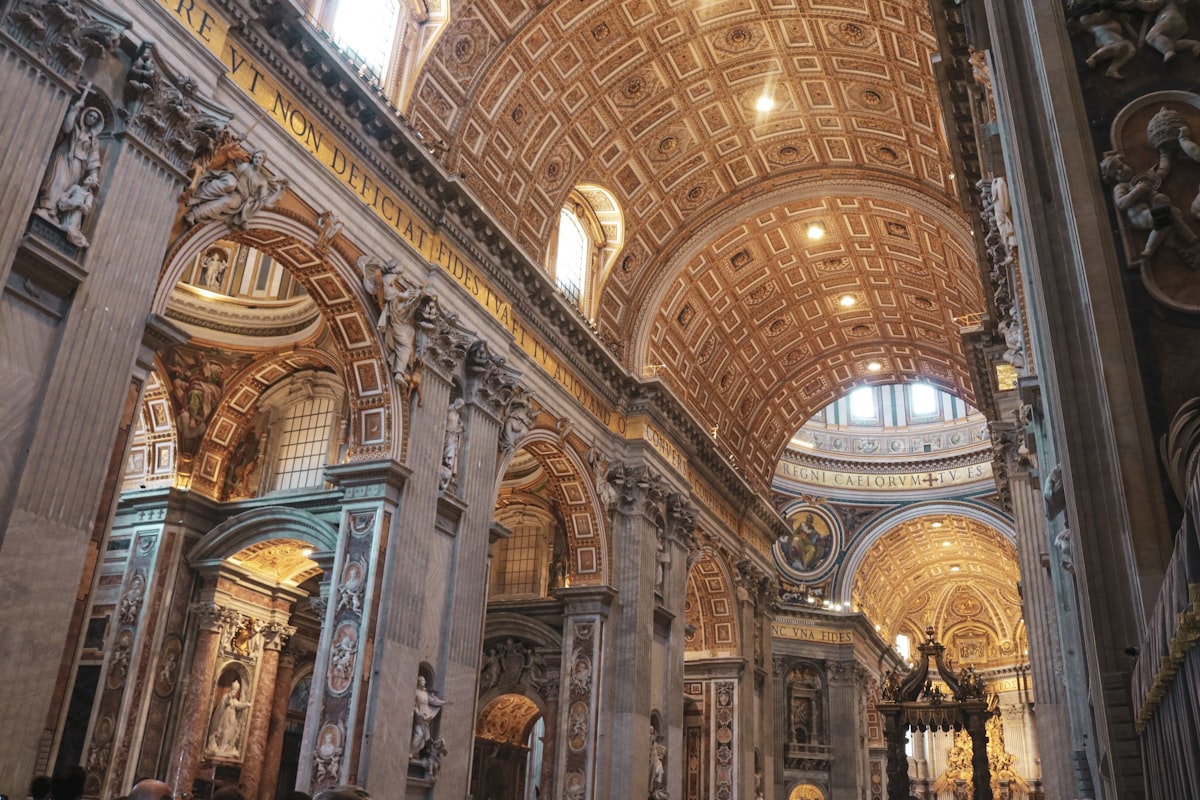
This is the part that matters most to me. Venice's churches contain art that would be the centrepiece of any national gallery, still hanging where it was painted, in the light it was painted for. The experience of seeing a Titian altarpiece in a church is categorically different from seeing it in a museum. The scale, the architecture, the smell of incense and damp stone, the way the painting interacts with the space around it — all of it was designed as a single experience.
Three churches I always revisit:
Santa Maria Gloriosa dei Frari (San Polo) — a massive Gothic church containing Titian's Assumption of the Virgin (1518), which hangs above the high altar and literally takes your breath away. The composition pulls your eyes upward, into the golden light of the apse, and for a moment you understand exactly why this painting changed Venetian art forever. Also here: Bellini's triptych in the sacristy and Donatello's wooden St. John the Baptist. Admission €5 (or Chorus Pass).
San Sebastiano (Dorsoduro) — almost entirely decorated by Veronese. Ceiling paintings, wall paintings, the organ doors, the altarpiece. He worked here on and off for about fifteen years, and the result is one of the most complete artistic environments in the city. It's also rarely crowded, which makes the experience more personal. Veronese is buried here, under a plain slab in the floor near the organ. You could step on it without noticing.
San Zaccaria (Castello) — the Bellini altarpiece I mentioned at the start of this piece. San Zaccaria Altarpiece (1505), late Bellini, soft light, extraordinary colour. The painting hangs on the left wall near the entrance, and on a quiet morning the light from the windows falls across it in a way that feels almost designed. It probably was.
The Biennale — Is It Worth Timing Your Trip Around?
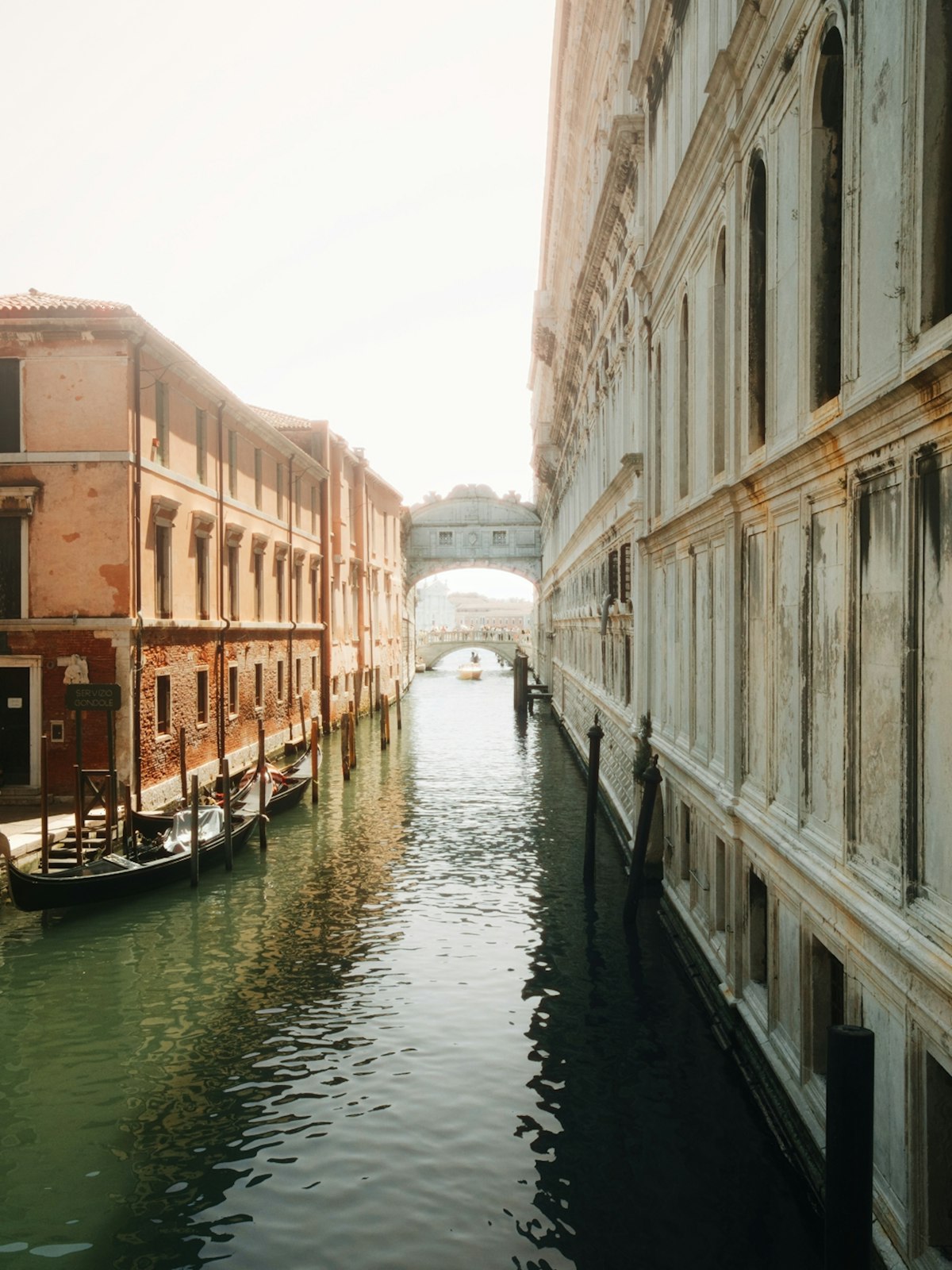
The Venice Biennale is the oldest and most prestigious international art exhibition in the world. It was founded in 1895 and now alternates between Art (odd years: 2025, 2027) and Architecture (even years: 2026, 2028). It runs from roughly late April to late November, meaning it overlaps with Venice's busiest tourist season.
The exhibition occupies two main sites:
- The Giardini — a park in Castello where about 30 countries maintain permanent pavilions. Each nation commissions new work for each edition. The quality varies enormously. Some pavilions are transformative experiences; others feel like they were thrown together the night before the opening. Walking through all of them takes a full day.
- The Arsenale — Venice's medieval shipyards, a complex of brick warehouses and rope-making halls that stretches for nearly 300 metres. This is where the central curated exhibition is staged, and the architecture of the space — those long, vaulted corridors — makes it one of the most dramatic exhibition venues anywhere. Plan at least three hours here, ideally more.
Beyond the official sites, dozens of collateral exhibitions appear across the city during Biennale season — in palazzi, churches, vacant shopfronts, even boats. Part of the experience is stumbling across things you didn't plan to see.
A full Biennale pass (both sites) costs €25. Under-26 is €18. If you're serious about contemporary art, two days is the minimum — one for each main site, plus time for the collateral shows. I've spent three days before and still felt I'd missed things.
My honest view: Art years are generally more interesting than Architecture years, though the 2023 Architecture Biennale was unusually strong. If you have flexibility on timing and care about art, a Biennale year trip to Venice in May or September (avoiding peak summer crowds) is excellent. If contemporary art isn't your primary interest, the rest of Venice's artistic heritage is available year-round and won't charge you €25 for entry.
Museum Passes — Do They Actually Save Money?
Venice has several overlapping pass systems, which is confusing by design (or, more charitably, by bureaucracy). Here's what's available:
| Pass | Cost | Covers | Worth It? |
|---|---|---|---|
| Museum Pass (MUVE) | €35 | Doge's Palace + 10 civic museums | Yes, if visiting 3+ museums |
| Doge's Palace ticket | €26 | Palace + Correr + Archaeol. + Library | Good value for those four |
| Chorus Pass | €14 | 16 churches | Yes, for art/architecture fans |
| Accademia ticket | €12 | Accademia only (state, not civic) | Not included in MUVE Pass |
| Guggenheim ticket | €16 | Guggenheim only (private) | Not included in any pass |
The Museum Pass at €35 covers eleven civic museums including the Doge's Palace, Ca' Rezzonico, Ca' Pesaro, Museo Correr, and several others. Since Doge's Palace alone costs €26 (which also includes three other museums), the extra €9 for the full pass is obviously worthwhile if you'll visit even one additional museum.
Note that the Accademia and the Guggenheim are not civic museums and are not included in any city pass. They're separate tickets. This catches people out regularly.
If you're in Venice for three or more days and plan to visit both churches and civic museums, a Museum Pass plus a Chorus Pass (€49 combined) covers most of the indoor cultural sights. Add the Accademia (€12) and the Guggenheim (€16) individually, and you're at €77 for what could easily be four or five days of concentrated looking. That's less than a single water taxi ride from the airport, which puts things in perspective.
For practical details about getting to and between these sites, the vaporetto guide covers all the relevant stops. And if this is your first time navigating the city, the things to do overview gives broader context for planning your days.